
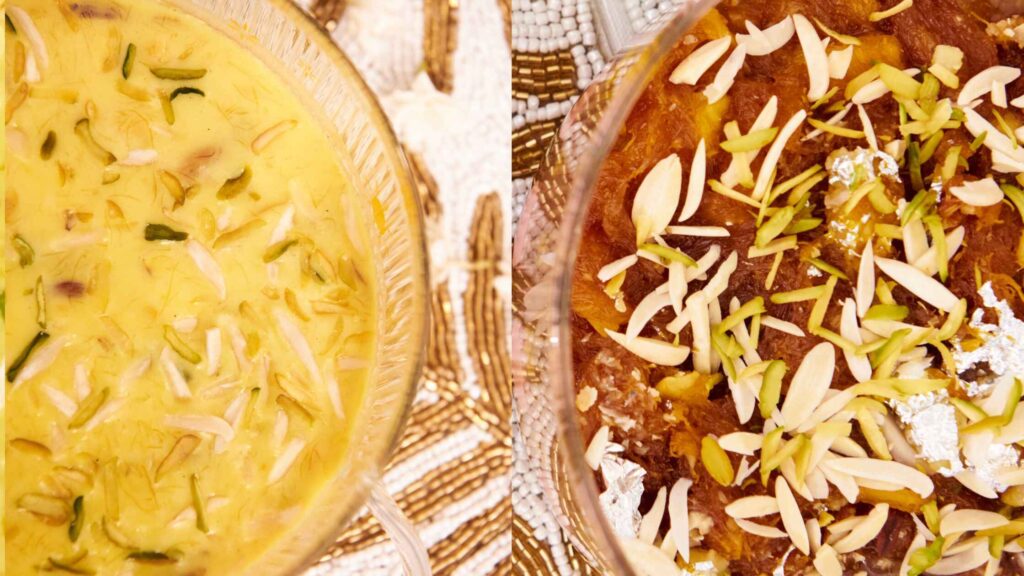
In today’s fast-paced world, convenience has quietly replaced culture on our plates. Walk into any supermarket and you’ll find racks stacked with packaged snacks—chips, cookies, energy bars, chocolate-coated treats, and “healthy” processed bites. But just a few decades ago, Indian homes relied mostly on traditional homemade desserts—rich in culture, handcrafted with love, and made from whole, real ingredients found in every kitchen.
As lifestyle diseases grow and food-related disorders increase, it’s worth asking: What changed? Why did traditional Indian desserts, once a symbol of celebrations and family bonding, get replaced by flashy packaged snacks? And most importantly—which one truly serves our health?
Let’s explore the comparison in a wholesome way.
1. Ingredients: Real vs. Processed
Traditional Indian sweets like kheer, gulab jamun, besan laddu, gajak, halwa, payasam, til laddu, chikki, and barfi were made using ingredients sourced directly from nature—milk, jaggery, ghee, nuts, grains, lentils, and spices.
These foods were minimally processed and nutritionally dense. Even sugar-based sweets used to be eaten occasionally, not every day.
In contrast, modern packaged snacks often contain:
-
Refined flour
-
Hydrogenated oils
-
Artificial flavors
-
Preservatives
-
Food colors
-
Excess sodium
-
Added sugar or corn syrup
Even products marketed as “healthy”—granola bars, protein snacks, baked chips—may contain hidden sugars, emulsifiers, and synthetic additives. These create cravings, disturb digestion, and can contribute to inflammation.
2. Nutrition Density: Wholesome vs. Hollow Calories
Traditional desserts were not always “low calorie,” but they were nutrient-dense. For example:
-
Til ladoo offers calcium, iron, and healthy fats.
-
Besan laddu provides protein and fiber.
-
Chikki combines jaggery and nuts—excellent for energy and immunity.
-
Kheer offers healthy carbs and proteins with the goodness of dry fruits.
-
Ghee-based sweets provide fat-soluble vitamins like A, D, E, and K.
These sweets supported the body, especially during festivals, winters, fasting periods, and celebrations.
Packaged snacks, however, are often calorie-dense but nutrient-poor. They give quick energy through sugar and refined carbs but lack vitamins, minerals, and good fats. This results in fatigue, cravings, hormonal imbalance, and long-term health issues.
3. Cultural Connection vs. Commercial Marketing
Traditional sweets carry deep emotional and cultural roots:
-
Nani and dadi making laddus during festivals
-
Mothers preparing halwa when children returned home
-
Gajak and revdi during winter
-
Coconut barfi for occasions
-
Kheer for celebrations and blessings
These foods created bonding, memories, and warmth.
Modern packaged snacks, however, are driven by marketing, shelf-life, and mass production. They might fit into busy lifestyles, but they eliminate emotional connection and replace heritage with consumerism.
4. Digestive Health: Gut-friendly vs. Gut-irritating
Most Indian desserts, especially jaggery-based ones, are gentle on digestion and promote gut health. Jaggery purifies the blood, improves hemoglobin, and boosts metabolism. Spices like cardamom, nutmeg, saffron, and ginger support digestion and immunity.
Packaged snacks often contain:
-
Stabilizers
-
Excess oil
-
Chemical additives
-
Artificial flavors
These irritate the gut, worsen IBS, cause acidity, and reduce digestive capacity over time.
5. Frequency of Consumption: Occasional Treat vs. Daily Habit
Traditional sweets were mostly seasonal or occasional. They were made during festivals, winters, or special days, which naturally restricted overconsumption.
On the other hand, packaged snacks have become a daily habit—something to munch while working, traveling, or scrolling on mobile. Easy availability encourages overeating, leading to weight gain, cravings, and metabolic issues.
6. Cost & Value: Affordable Real Food vs. Expensive Processed Food
Traditional sweets can be prepared at home using whole ingredients at a reasonable cost. They offer real nourishment along with taste.
Packaged snacks often carry a premium because you’re paying for:
-
Branding
-
Packaging
-
Preservatives
-
Advertising
Yet you don’t receive real nutritional value in return.
Conclusion: Choose Tradition with Modern Awareness
While packaged snacks offer convenience, traditional Indian desserts provide nourishment, culture, and emotional connection. The goal is not to reject modern snacks completely but to make mindful choices. If you crave something sweet or satisfying, a homemade laddu, kheer, or piece of chikki is far healthier than a packet of chips or processed bar.
Returning to traditional desserts—prepared with whole ingredients and eaten mindfully—brings us closer to our roots and supports long-term health. In a world full of instant options, choosing traditional sweets is a beautiful way to honor both your body and your heritage.

Cool blog.