Swelling in the foot (also called edema) is a very common issue that many people experience at some point in life. While it can be temporary and harmless in some cases, it can also signal underlying health concerns that should not be ignored. Understanding the reasons behind foot swelling helps in managing it effectively and preventing complications.
What is Foot Swelling?
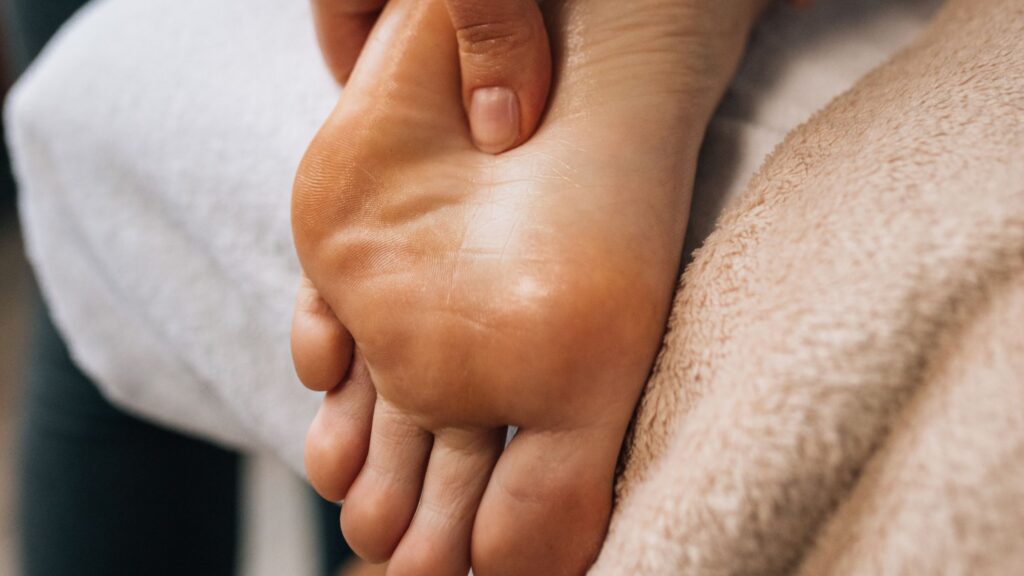
Foot swelling occurs when excess fluid accumulates in the tissues of the feet and ankles. This can make the feet look puffy, feel tight, and sometimes cause discomfort or pain. In mild cases, it may go away on its own, but persistent swelling needs attention.
Common Causes of Foot Swelling
1. Prolonged Sitting or Standing
One of the most common reasons is staying in the same position for too long. When you sit or stand for extended periods, gravity causes fluid to collect in the lower parts of your body, especially the feet. This is often seen in people with desk jobs or those who travel long distances.
2. Excess Salt Intake
A diet high in sodium can lead to water retention in the body. When the body holds on to extra water, it can result in swelling, particularly in the feet and ankles. Processed foods, packaged snacks, and restaurant meals are major contributors.
3. Lack of Physical Activity
Movement helps circulation. When the body is inactive, blood flow slows down, and fluid can accumulate in the lower limbs. Regular walking or exercise plays a key role in preventing this.
4. Injury or Trauma
Swelling can occur due to sprains, fractures, or any injury to the foot or ankle. This is the body’s natural response to inflammation as it tries to heal the affected area.
5. Hormonal Changes
Women may experience foot swelling during pregnancy, menstruation, or due to hormonal imbalances. During pregnancy, increased fluid volume and pressure from the growing uterus can slow blood circulation, leading to swelling.
6. Poor Circulation
Conditions that affect blood flow, such as varicose veins or venous insufficiency, can cause fluid to pool in the feet. When veins are unable to return blood effectively to the heart, swelling becomes more noticeable.
7. Kidney Issues
The kidneys regulate fluid balance in the body. If they are not functioning properly, excess fluid may accumulate, leading to swelling in the feet, face, and hands.
8. Heart Conditions
When the heart is not pumping efficiently, blood can back up in the veins, causing fluid retention in the lower extremities. This type of swelling is often persistent and may worsen over time.
9. Liver Problems
Liver disorders can reduce the production of proteins like albumin, which help maintain fluid balance in the bloodstream. A drop in these proteins can cause fluid leakage into surrounding tissues, resulting in swelling.
10. Medications
Certain medicines, such as blood pressure drugs, steroids, or hormonal treatments, can cause fluid retention as a side effect. If swelling starts after a new medication, it is worth discussing with a doctor.
When Should You Be Concerned?
Occasional mild swelling is usually not serious. However, you should seek medical attention if:
- Swelling is sudden or severe
- It occurs in only one foot
- There is pain, redness, or warmth
- It is accompanied by breathlessness
- It does not improve with rest
These could indicate more serious conditions like infection, blood clots, or heart-related issues.
Natural Ways to Reduce Foot Swelling
Foot swelling can often be managed naturally by making simple lifestyle changes that improve circulation, reduce inflammation, and support overall body balance. Here are some effective and practical ways to reduce swelling in the feet and ankles naturally.
1. Stay Active and Keep Moving
Physical activity plays a major role in maintaining healthy blood circulation. When you sit or stand for long periods, fluid tends to accumulate in the lower part of the body due to gravity. Regular movement helps the muscles push blood and fluids back toward the heart.
Simple activities like walking, stretching, light yoga, or ankle rotations can help reduce swelling significantly. Even taking a short 5–10 minute walk every hour can improve circulation. For people with desk jobs, it is important to avoid sitting continuously for long hours.
Exercises such as:
- Walking
- Cycling
- Swimming
- Gentle calf stretches
can help stimulate blood flow and reduce fluid retention naturally.
2. Elevate Your Feet
Keeping your feet elevated above heart level helps excess fluid drain away from the feet and ankles. This is one of the simplest and most effective remedies for swelling.
Try lying down and placing pillows under your legs for about 15–20 minutes, two to three times a day. This position supports venous return, meaning it helps blood flow back toward the heart more efficiently.
Elevation is especially helpful:
- After long working hours
- During pregnancy
- After traveling
- If swelling worsens in the evening
You may notice immediate relief in heaviness, tightness, and discomfort after elevating your legs regularly.
3. Reduce Salt Intake
Excess sodium causes the body to retain water, which can increase swelling in the feet and ankles. Modern diets often contain hidden sodium through processed foods, packaged snacks, fast foods, pickles, sauces, and restaurant meals.
Reducing salt intake helps the body maintain better fluid balance.
Helpful tips include:
- Choose fresh home-cooked meals
- Avoid processed and packaged foods
- Read food labels carefully
- Use herbs and spices instead of extra salt
- Limit chips, instant noodles, and processed snacks
A balanced, low-sodium diet can make a noticeable difference in reducing water retention and bloating.
4. Stay Hydrated
Many people think drinking less water helps swelling, but dehydration can actually make the body hold onto more fluid. Proper hydration supports kidney function and helps flush excess sodium and toxins from the body.
Aim to drink adequate water throughout the day unless a doctor has advised fluid restriction for a medical condition.
You can also improve hydration through:
- Coconut water (if potassium levels are normal)
- Fresh fruits with high water content
- Herbal infusions
- Homemade soups
Good hydration supports circulation, digestion, metabolism, and overall body function.
5. Wear Comfortable Footwear
Tight shoes, high heels, or poorly fitted footwear can restrict circulation and worsen swelling. Comfortable footwear supports proper blood flow and reduces pressure on the feet.
Choose shoes that:
- Provide proper arch support
- Have enough room for the toes
- Are lightweight and breathable
- Do not compress the ankles or feet
People who stand for long hours should especially invest in supportive footwear to reduce strain on the legs and feet.
Compression socks may also help some individuals by improving circulation and preventing fluid buildup, but they should be used after proper guidance if there are underlying medical conditions.
6. Practice Mindfulness and Stress Management
Stress affects the body in many ways, including inflammation, blood pressure, hormone balance, and circulation. Chronic stress can indirectly contribute to swelling and water retention.
Practicing mindfulness helps relax the nervous system and improve overall health.
Helpful practices include:
- Deep breathing exercises
- Meditation
- Gentle yoga
- Gratitude journaling
- Spending time in nature
- Adequate sleep
Reducing stress not only supports emotional well-being but also improves physical health, circulation, and inflammatory responses in the body.
Final Thoughts
Foot swelling can be a sign that your body needs attention, whether due to lifestyle habits, poor circulation, diet, or an underlying health condition. Healthy habits like regular movement, proper hydration, balanced nutrition, and reduced salt intake can help manage mild swelling naturally. However, persistent or sudden swelling should not be ignored, as it may indicate issues related to the kidneys, heart, liver, or circulation. If swelling continues or worsens, consult a healthcare professional for proper diagnosis and treatment.