
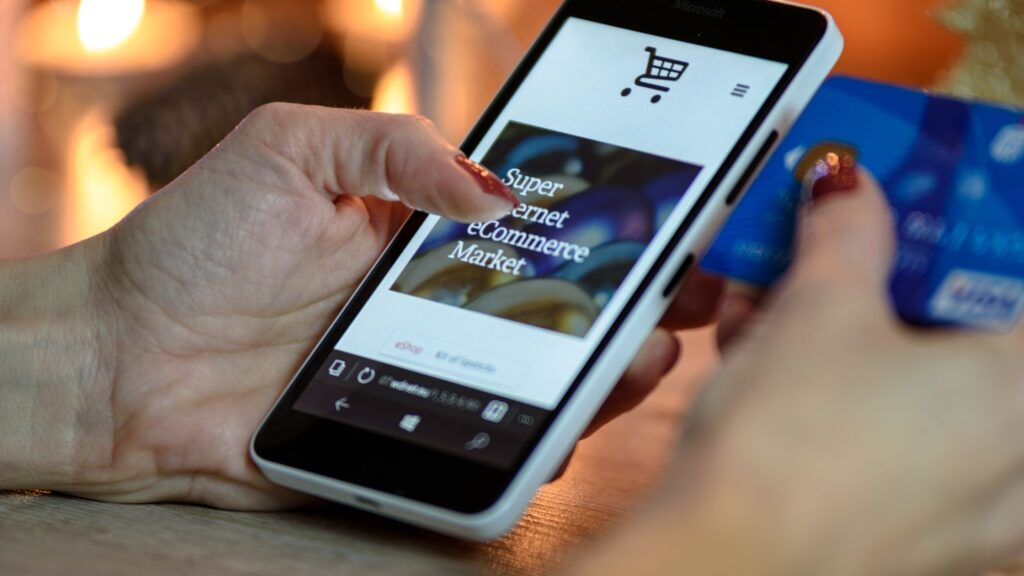
We live in a world where almost everything arrives at our doorstep in 10 to 20 minutes—groceries, snacks, medicines, gadgets, even a single chocolate bar. This revolution, known as quick commerce, has undoubtedly made life convenient, especially for busy professionals, parents, and urban millennials. But as convenience increases, an important question emerges: Is quick commerce silently making us lazier, unhealthier, and more disease-prone?
The short answer: Yes—if used mindlessly.
The longer answer requires us to look deeper into its impact on our body, mind, and lifestyle choices.
1. Decline in Physical Movement
Human bodies are designed for movement. Even small activities—like walking to the vegetable market, carrying grocery bags, or taking a short stroll to buy milk—add up to daily calorie expenditure. These small tasks keep our metabolism active, joints flexible, and mental stress under control.
But with quick commerce:
-
We barely step outside.
-
We lose 1,000–3,000 potential steps daily.
-
Our natural calorie burn reduces drastically.
-
The body becomes stiff, lethargic, and low on energy.
This inactivity contributes to weight gain, insulin resistance, weakened immunity, and lifestyle diseases like diabetes and hypertension.
2. Rise in Impulsive and Unhealthy Eating
Quick commerce apps encourage instant gratification.
Craving chips? Order.
Feel like eating ice cream at midnight? Order.
Sudden desire for sweets? Order.
Earlier, the effort of going out prevented impulsive junk-food consumption. But now, junk is just one tap away.
This leads to:
-
Higher intake of sugary foods
-
Frequent consumption of processed snacks
-
Increased calorie surplus
-
Disturbed gut health due to preservatives and additives
Overeating becomes normal, emotional eating becomes easy, and discipline disappears. This dramatically increases the risk of obesity, fatty liver, PCOD, IBS, acidity, and inflammation.
3. The Psychology of Laziness and Dependence
Convenience is addictive.
Once the brain learns there is an easier option, it stops choosing the effortful one. Quick commerce slowly rewires the brain, reducing:
-
Patience
-
Self-control
-
Physical willingness
-
Motivation to step out
This creates a dependency loop:
The easier life becomes, the harder even simple tasks feel. Over time, this leads to chronic laziness, low productivity, and a mindset that avoids discomfort.
4. Increased Screen Time and Stress
Quick commerce doesn’t just save time—it also keeps us more glued to screens.
Scrolling apps, checking offers, tracking orders, and browsing discounts add unnecessary screen time.
This contributes to:
-
Eye strain
-
Poor sleep cycles
-
Higher cortisol (stress hormone)
-
Reduced mental clarity
Indirectly, this promotes emotional eating and reduces the desire to move, creating a perfect environment for lifestyle disorders.
5. Environmental & Social Impact
Every order—however small—means:
-
More packaging waste
-
Higher carbon emissions
-
More delivery traffic
-
Overworked riders under pressure
While this isn’t directly related to laziness or disease, it adds to the overall stress and unhealthy ecosystem we participate in. A society that normalizes instant delivery often disconnects from mindful consumption and community connection.
6. Has Quick Commerce Ruined Our Relationship With Food?
Yes. It has made food too accessible and too impulsive.
Earlier, we planned meals, bought weekly groceries, and cooked mindfully.
Now, we order chopped vegetables, precooked meals, frozen products, and ready-to-eat snacks.
This trend reduces:
-
Cooking skills
-
Family bonding
-
Nutritional awareness
-
Meal planning discipline
Convenience becomes a replacement for self-care, not a support system.
So, What’s the Solution? Balance, Not Boycott.
Quick commerce is not the villain. Our habits are.
Here’s how to use it mindfully:
-
Order essentials, not impulsive junk.
-
Avoid late-night ordering.
-
Set weekly grocery planning.
-
Walk for small errands whenever possible.
-
Stock healthy snacks at home.
-
Track screen time and cravings before ordering.
Use convenience to support your lifestyle—not replace basic movement and discipline.
Final Thoughts
Quick commerce is a brilliant innovation, but like every technology, it has a dark side when misused. It silently promotes sedentary living, impulsive eating, laziness, and emotional dependency. The result? A generation more prone to obesity, hormonal imbalance, gut issues, mental fatigue, and chronic diseases.
The truth is simple:
Convenience should make life easier—but not make us weaker.
By choosing balance, mindful habits, and conscious movement, we can enjoy quick-commerce benefits without letting it control our health or lifestyle.