
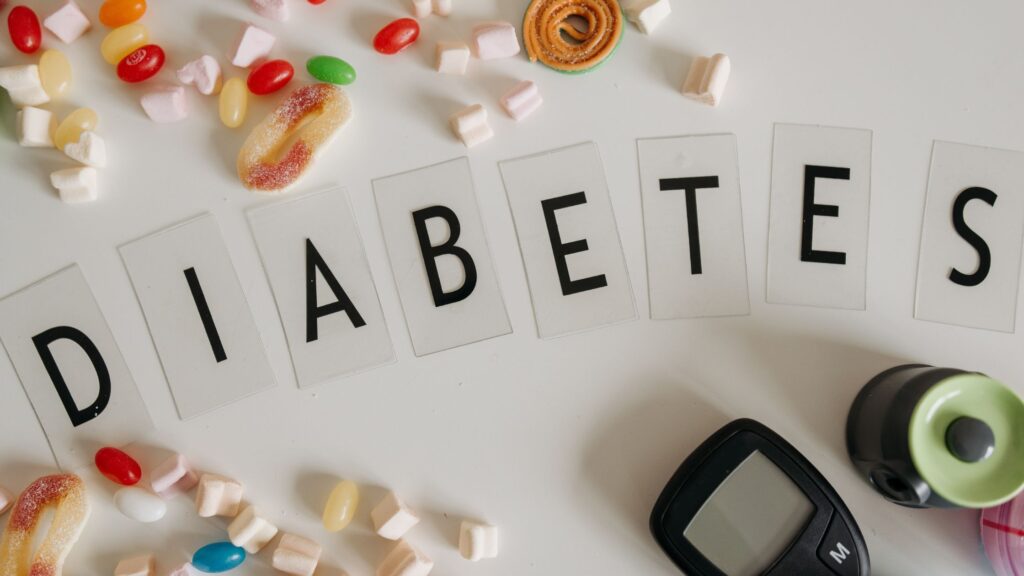
Diabetes has become one of the most common lifestyle conditions worldwide, yet very few people truly understand what happens inside the body when diabetes develops. Beyond the sugar, sweets, and insulin jokes, diabetes is actually a complex metabolic disorder that affects the way your body produces, uses, and stores energy. Let’s break down the science behind diabetes in a simple and practical way.
What Is Diabetes?
At its core, diabetes is a condition where the body cannot properly regulate blood glucose (sugar). Glucose comes from the food we eat—especially carbohydrates—and acts as the primary fuel for all our cells. But glucose cannot enter the cells on its own; it needs a hormone called insulin, produced by the pancreas, to unlock the cells and allow glucose in.
When this system fails—either due to lack of insulin or the body not responding to insulin—glucose stays in the bloodstream instead of being used for energy. This leads to high blood sugar, which over time damages organs, nerves, and blood vessels.
Types of Diabetes and Their Science
1. Type 1 Diabetes
Type 1 is an autoimmune condition. The immune system mistakenly attacks and destroys the insulin-producing beta cells in the pancreas. As a result:
-
Very little or no insulin is produced
-
Glucose cannot enter cells
-
Blood sugar rises quickly
The exact cause is still being researched, but genetics, viruses, and environmental triggers are believed to play a role.
2. Type 2 Diabetes
This is the most common form, accounting for nearly 90–95% of all cases. Here, the pancreas does produce insulin, but the body’s cells stop responding to it—this is called insulin resistance. Over time, the pancreas gets tired of producing more and more insulin, leading to insulin deficiency.
Key contributors include:
-
Unhealthy diet
-
Obesity and excess belly fat
-
Sedentary lifestyle
-
Stress and poor sleep
-
Genetics and age
The science shows that fat stored in the liver and muscles interferes with the way insulin works, worsening insulin resistance.
3. Gestational Diabetes
This occurs during pregnancy due to hormonal changes that make the mother’s cells more resistant to insulin. Genetic factors and weight before pregnancy also play a role.
What Exactly Is Insulin Resistance?
Think of insulin as the key and your cells as locked doors. In a healthy person, insulin opens the door easily so glucose can enter.
In insulin resistance, the door becomes “rusty.” The key (insulin) still tries to open it, but the door does not fully respond.
So, the body produces more insulin to push glucose inside. This works for a while, but after constant pressure, the pancreas starts to fail—this is when blood sugar begins to rise and diabetes develops.
How High Sugar Damages the Body
Prolonged high blood glucose is harmful. Scientifically, this is called glucotoxicity. Over time, it affects almost every system:
-
Nerves → numbness, tingling (neuropathy)
-
Eyes → weak vision or blindness (retinopathy)
-
Kidneys → reduced function or failure
-
Heart → higher risk of heart attacks and stroke
-
Skin → slow wound healing
This is why early diagnosis, lifestyle changes, and blood sugar control are extremely important.
The Role of Hormones in Diabetes
Diabetes is not just about insulin; it’s a hormonal imbalance involving several players:
Glucagon
Produced by the pancreas, it raises blood sugar by releasing stored glucose. In diabetes, glucagon levels may be unusually high, worsening blood sugar spikes.
Amylin
This hormone slows digestion. In diabetics, amylin levels are low, contributing to rapid sugar spikes after meals.
Incretins
These gut hormones help the pancreas release insulin. Their effect is reduced in people with diabetes.
The interaction of all these hormones determines how the body uses glucose.
Can Diabetes Be Reversed?
Type 1 cannot be reversed but can be well-managed.
Type 2, however, can often be put into remission with:
-
Weight loss (especially visceral fat)
-
Regular exercise
-
Balanced, low-glycemic diet
-
Good sleep and stress management
Research shows that even a 5–10% reduction in body weight significantly improves insulin sensitivity.
The Takeaway
Diabetes is not simply “high sugar.” It is a deeper metabolic disorder involving hormones, insulin resistance, and the body’s energy-use system. The good news is that science also shows how powerful lifestyle choices can be. With the right food, movement, and habits, diabetes can be prevented, controlled, or even reversed in many cases.
Understanding the science empowers you to take control—and make your health your strongest asset.