
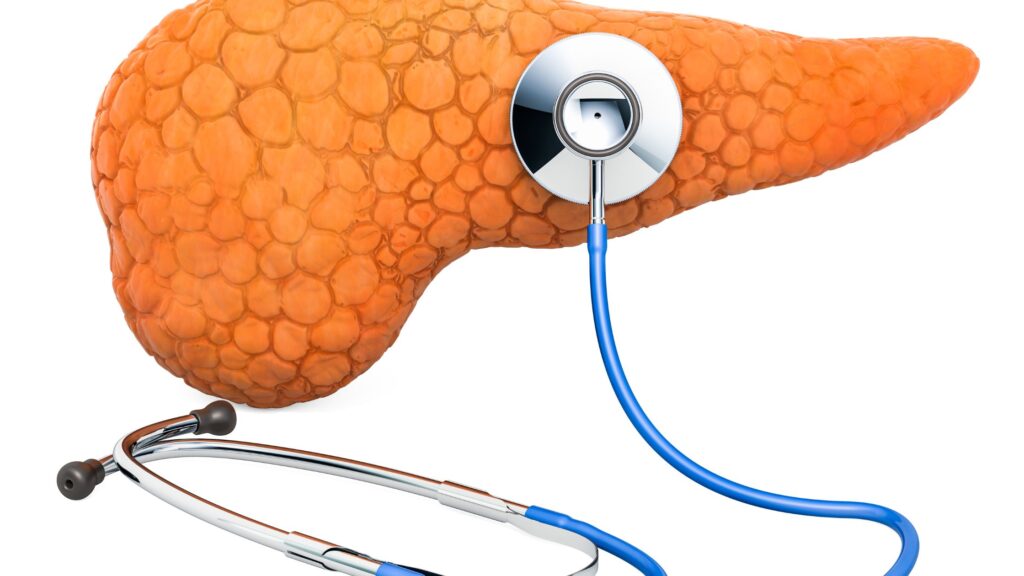
Pancreatitis is a medical condition in which the pancreas becomes inflamed. The pancreas is a small but very important organ located behind the stomach. It plays a major role in digestion and blood sugar control. When it becomes inflamed, its normal function gets disturbed, and this can affect the whole body.
There are two main types of pancreatitis: acute pancreatitis (sudden and short-term) and chronic pancreatitis (long-term, progressive damage).
What Does the Pancreas Do in the Body?
Before understanding pancreatitis, it is important to know the role of the pancreas.
The pancreas has two key functions:
1. Digestive function
It produces enzymes that help break down:
- Fats
- Proteins
- Carbohydrates
These enzymes are released into the small intestine to help digestion.
2. Hormonal function
It produces hormones like:
- Insulin (controls blood sugar)
- Glucagon (raises blood sugar when needed)
So, the pancreas is essential for both digestion and metabolism.
What is Pancreatitis?
Pancreatitis is a condition where the digestive enzymes start activating inside the pancreas instead of the intestine. This causes the pancreas to “digest itself,” leading to inflammation, swelling, and pain.
Types of Pancreatitis
1. Acute Pancreatitis
- Sudden inflammation
- Usually lasts for a few days
- Often mild but can become severe
- Most people recover fully if treated early
2. Chronic Pancreatitis
- Long-term inflammation
- Gradual damage to pancreas tissue
- Leads to permanent loss of function
- Can affect digestion and blood sugar permanently
Common Causes of Pancreatitis
Some common triggers include:
- Gallstones blocking pancreatic duct
- Excess alcohol consumption
- High triglyceride levels
- Certain medications
- Viral infections
- Autoimmune conditions
- Genetic factors (in some cases)
Lifestyle and diet often play a major role, especially in metabolic causes.
Symptoms of Pancreatitis
Symptoms can vary depending on severity, but common signs include:
Acute symptoms:
- Severe upper abdominal pain (may radiate to back)
- Nausea and vomiting
- Fever
- Rapid heartbeat
- Swollen or tender abdomen
Chronic symptoms:
- Recurring abdominal pain
- Unexplained weight loss
- Fatty, foul-smelling stools (due to poor digestion)
- Fatigue
- Blood sugar imbalance
How Pancreatitis Affects the Body
Pancreatitis does not just affect the pancreas—it can impact the entire body system.
1. Poor digestion
When enzyme production is reduced, the body cannot properly digest fats and nutrients. This leads to bloating, gas, and malnutrition.
2. Blood sugar imbalance
Damage to insulin-producing cells may lead to diabetes or unstable blood sugar levels.
3. Weight loss and weakness
Because nutrients are not absorbed properly, the body starts losing weight and muscle strength.
4. Systemic inflammation
Severe cases can cause inflammation to spread, affecting organs like kidneys, lungs, and heart.
Can Pancreatitis Be Reversed?
This depends on the type and stage of the disease.
Acute Pancreatitis – Often Reversible
In most cases, acute pancreatitis can be completely reversed if:
- The cause is treated early (like gallstones or alcohol)
- The pancreas is given rest (fasting or liquid diet initially)
- Proper medical care is taken
Once inflammation settles, the pancreas often returns to normal function.
Chronic Pancreatitis – Partially Reversible
Chronic pancreatitis is more complex.
- The damage already done is usually permanent
- However, progression can be slowed or stopped
- Symptoms can be managed effectively
- Digestive function can be supported with enzyme supplements
- Blood sugar can be controlled with diet and medication
So, while full reversal is not usually possible in chronic cases, quality of life can be greatly improved.
Management and Lifestyle Support
A healthy lifestyle plays a major role in recovery and prevention.
Dietary changes:
- Low-fat, easy-to-digest foods
- Small, frequent meals
- Avoid fried and processed foods
- Increase hydration
- Include fruits, vegetables, and whole grains
Lifestyle changes:
- Avoid alcohol completely
- Maintain healthy weight
- Manage triglyceride and cholesterol levels
- Regular medical check-ups
Medical support:
- Pain management if needed
- Enzyme replacement therapy in chronic cases
- Blood sugar monitoring if diabetes develops
Final Thoughts
Pancreatitis is a serious but manageable condition. Early detection makes a huge difference in recovery, especially in acute cases where full reversal is possible. In chronic cases, while permanent damage may remain, proper diet, lifestyle changes, and medical support can significantly improve digestion, energy levels, and overall health.
Understanding your body signals early and making timely changes is the key to preventing long-term complications.