
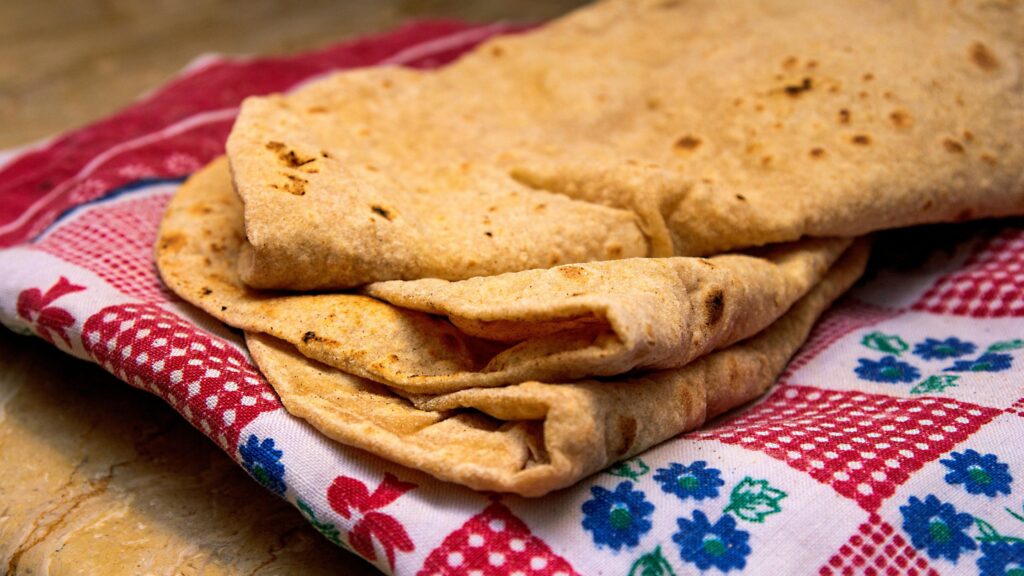
Roti is a daily staple in Indian households, but not all rotis have the same nutritional value. While wheat roti is commonly used, healthier alternatives like jowar, ragi, bajra, and multigrain rotis are becoming more popular for better digestion, weight management, and long-term health benefits.
Choosing the right roti based on your health goal and season can make a big difference in energy levels, metabolism, and overall wellness.
Why Healthy Rotis Matter
Modern lifestyle and refined food habits often lead to issues like weight gain, diabetes, acidity, and poor digestion. Switching to healthier rotis helps because:
- They are high in fiber
- They improve gut health
- They support blood sugar control
- They provide better satiety
- They offer more minerals and micronutrients
Each grain has its own unique benefit, so variety is key.
1. Wheat Roti (Whole Wheat)
Nutritional Benefits:
- Easily available and widely consumed
- Good source of energy
- Contains moderate fiber (if whole wheat)
- Supports daily carbohydrate needs
Protein Content:
- 1 wheat roti → approx 2.5–3g protein
Portion Guide:
- Weight loss: 1–2 rotis per meal
- Maintenance: 2–3 rotis per meal
- Active lifestyle: 3–4 rotis per meal
Best Season:
- All seasons
- Neutral food suitable for daily consumption
2. Jowar Roti (Sorghum)
Nutritional Benefits:
- High fiber and antioxidants
- Gluten-free grain
- Supports digestion and heart health
- Helps in weight management
Protein Content:
- 1 jowar roti → approx 3–4g protein
Portion Guide:
- 2–3 rotis per meal
- Best with dal, sabzi, or curd
Best Season:
- Summer and monsoon
- Cooling and light on digestion
3. Ragi Roti (Finger Millet)
Nutritional Benefits:
- Extremely rich in calcium (bone health)
- High in amino acids
- Helps control blood sugar spikes
- Supports weight loss and satiety
Protein Content:
- 1 ragi roti → approx 3g protein
Portion Guide:
- 2 rotis per meal
- Best paired with protein-rich foods
Best Season:
- All seasons (best in winter)
- Provides warmth and sustained energy
4. Bajra Roti (Pearl Millet)
Nutritional Benefits:
- High iron content (supports hemoglobin)
- Rich in fiber
- Improves digestion
- Keeps you full for longer
Protein Content:
- 1 bajra roti → approx 3.5–4g protein
Portion Guide:
- 2 rotis per meal
- Best with ghee or curd for better digestion
Best Season:
- Winter season (best choice)
- Naturally warming food for the body
5. Multigrain Roti
Nutritional Benefits:
- Combination of cereals, pulses and seeds
- Balanced nutrition profile
- High fiber and better digestion
- Supports weight management and metabolism
Protein Content:
- 1 multigrain roti → approx 4–5g protein
Portion Guide:
- 2–3 rotis per meal
- Best for overall health and weight management
Best Season:
- All seasons
- Most balanced and flexible option
6. Missi Roti (Gram Flour + Wheat)
Nutritional Benefits:
- Made with wheat + besan (gram flour)
- High protein compared to plain wheat roti
- Good for muscle health and satiety
- Rich in fiber and iron
- Helps stabilize blood sugar levels
Protein Content:
- 1 missi roti → approx 4–5g protein
Portion Guide:
- 2 rotis per meal
- Very filling, so fewer rotis are needed
Best Season:
- All seasons
- Especially good in winter and monsoon due to higher protein and warmth
How to Improve Protein in Your Roti Meals
Roti alone is not a complete protein source. Always combine it with:
- Dal (moong, masoor, toor)
- Paneer or tofu
- Soya chunks
- Sprouts salad
- Chana or rajma
- Curd or buttermilk
This improves muscle repair, energy levels, and satiety.
Portion Control Guide (Simple Understanding)
Your roti intake depends on:
- Activity level
- Weight goal
- Age and metabolism
General guideline:
- Weight loss: 1–2 rotis per meal
- Maintenance: 2–3 rotis per meal
- Active lifestyle: 3–4 rotis per meal
Always balance with vegetables + protein + healthy fats like ghee.
Seasonal Eating Guide
Summer:
- Wheat, jowar roti
- Light, cooling foods preferred
Monsoon:
- Jowar, missi, multigrain roti
- Easy-to-digest meals preferred
Winter:
- Bajra, missi, ragi roti
- Warm, energy-dense foods preferred
Final Thoughts
Healthy rotis are not about restriction, but about smart choices. Including wheat along with millets like jowar, ragi, bajra, and multigrain ensures better nutrition, improved digestion, and long-term health benefits.
It’s not about removing wheat completely but about balancing it with nutrient-rich millets and protein-rich options like missi roti. Every grain has a role and rotating them based on season and body needs is the best approach.
Your health improves not by eating less, but by eating wiser choices every day.