
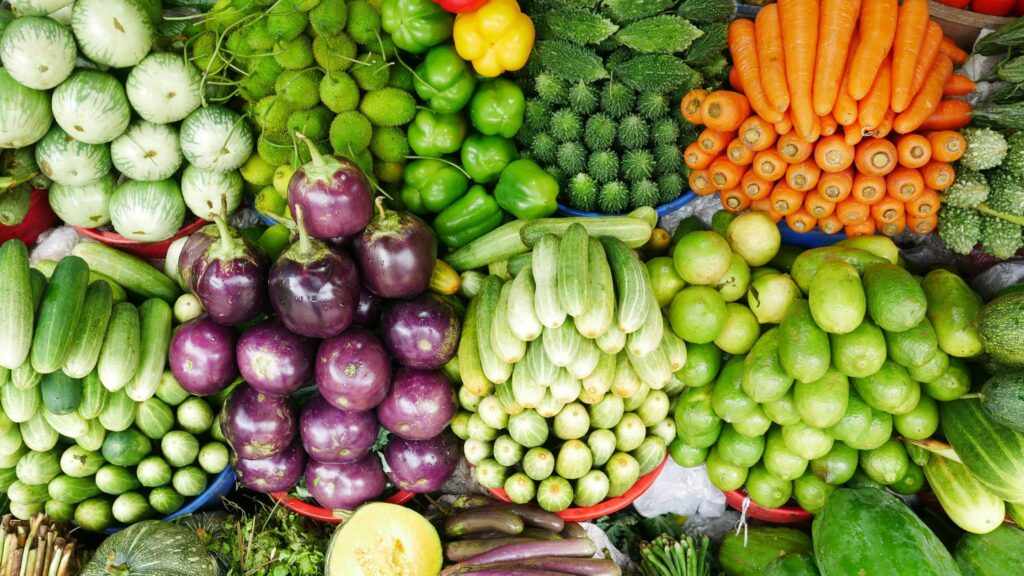
When people think about increasing fiber in their diet, one of the simplest combinations that comes to mind is cucumber, carrot and beetroot.
This colorful combination is nutritious, refreshing and easy to add to meals. But an important question remains:
Are cucumber, carrot and beetroot enough to meet your daily fiber requirement?
The answer is no—not by themselves.
Cucumber, carrot and beetroot do provide dietary fiber, but your body needs fiber from a variety of foods to meet its daily requirement and support overall digestive health.
What Is Dietary Fiber?
Dietary fiber is the part of plant food that your body does not completely digest.
Fiber is important for healthy digestion and bowel regularity. Depending on the type, fiber can also help you feel fuller after meals, support healthy blood glucose levels and contribute to maintaining healthy cholesterol levels.
There are two broad types of fiber:
Soluble fiber dissolves in water and forms a gel-like substance in the digestive tract. It can help slow digestion and may support healthy cholesterol and blood glucose levels.
Insoluble fiber adds bulk to stool and helps food move through the digestive system.
Most plant foods contain a mixture of both types.
How Much Fiber Do Cucumber, Carrot and Beetroot Provide?
All three vegetables contribute fiber, but the amount depends on the quantity you eat.
For example, approximately:
100 g cucumber: about 0.5–1 g fiber
100 g carrot: about 2.5–3 g fiber
100 g beetroot: about 2–3 g fiber
Therefore, a plate containing 100 g each of cucumber, carrot and beetroot may provide roughly 5–6 g of fiber.
That is useful, but it is only part of your daily requirement.
The exact fiber requirement varies by age, sex and total calorie intake. For many adults, a target around 25–30 g of fiber per day is a practical general range.
This means that vegetables alone—especially small portions—may not provide enough.
Why Are These Three Vegetables Still Excellent Choices?
Even though they aren’t enough on their own, cucumber, carrot and beetroot can absolutely be part of a high-fiber diet.
Cucumber
Cucumber contains water and some fiber, making it a refreshing addition to meals.
Because it has a high water content, cucumber can also contribute to overall fluid intake.
If you tolerate the peel well, keeping the peel can increase the fiber content compared with eating peeled cucumber.
Carrot
Carrots are a particularly useful vegetable for increasing fiber.
They also provide beta-carotene, which the body can convert into vitamin A.
Eating carrots whole rather than juicing them helps you retain their fiber.
Beetroot
Beetroot provides fiber along with naturally occurring folate, potassium and other plant compounds.
Like carrots, beetroot is more useful as a whole food when your goal is fiber.
What Happens When You Juice Them?
This is where an important distinction comes in.
If you make a cucumber-carrot-beet juice and strain out the pulp, much of the fiber is removed.
You may still get some nutrients and plant compounds from the juice, but it should not be considered equivalent to eating the whole vegetables.
For better fiber intake, eat the vegetables rather than relying on their juice.
If you blend them without straining, you retain much more of the original fiber.
What Should You Add to Get Enough Fiber?
Instead of depending on just three vegetables, build your diet around a variety of plant foods.
1. Vegetables
Include different vegetables throughout the day:
- Carrot
- Beetroot
- Cucumber
- Beans
- Green peas
- Okra
- Cabbage
- Cauliflower
- Broccoli
- Spinach and other leafy greens
- Pumpkin
- Gourds
Different vegetables provide different amounts and types of fiber.
2. Fruits
Whole fruits are another convenient source of fiber.
Examples include:
- Apple
- Guava
- Pear
- Orange
- Papaya
- Berries
- Pomegranate
Whenever possible, choose whole fruit instead of fruit juice.
3. Pulses and Dal
For an Indian vegetarian diet, pulses are especially useful.
Include foods such as:
- Moong dal
- Masoor dal
- Chana
- Rajma
- Black-eyed peas
- Toor dal
- Whole green gram
- Sprouts
These foods provide both fiber and protein, making them particularly valuable components of a balanced vegetarian diet.
4. Whole Grains and Millets
Replacing refined grains with whole grains can also increase fiber intake.
You can include:
- Oats
- Whole wheat
- Brown rice
- Barley
- Ragi
- Jowar
- Bajra
- Foxtail millet
- Other whole millets
You don’t need to completely eliminate rice or wheat. The focus should be on choosing more minimally processed, higher-fiber options when practical.
5. Nuts and Seeds
Nuts and seeds can contribute fiber along with healthy fats and other nutrients.
Examples include:
- Flaxseeds
- Pumpkin seeds
- Sunflower seeds
- Sesame seeds
- Chia seeds
- Almonds
- Walnuts
Because nuts and seeds are calorie-dense, portion size still matters.
Can Too Much Fiber Cause Problems?
Yes.
Increasing fiber suddenly can cause bloating, gas, abdominal discomfort or changes in bowel habits, particularly if your usual diet is low in fiber.
The better approach is to increase fiber gradually and drink adequate fluids.
Your digestive system needs time to adapt.
How to Build a High-Fiber Indian Plate
You don’t need to count every gram of fiber.
A simple approach is to include:
½ plate: vegetables
¼ plate: protein-rich foods such as dal, beans, chana, sprouts, paneer or other suitable protein sources
¼ plate: whole grains or millet
Then add a serving of whole fruit and, if suitable for you, a small portion of nuts or seeds during the day.
This naturally creates more variety and makes it easier to reach your fiber target.
The Bottom Line
Cucumber, carrot and beetroot are healthy sources of fiber, but they are not enough by themselves to meet your daily fiber needs.
A small bowl of these vegetables may provide only a fraction of the approximately 25–30 g of fiber many adults need each day.
The secret is variety.
Combine vegetables with whole fruits, dal, beans, sprouts, whole grains, millets, nuts and seeds.
And remember one simple rule:
Eat your vegetables more often than you juice them if your goal is fiber.
Your gut doesn’t need one “superfood.”
It needs a variety of plant foods, adequate fluids and consistent healthy eating habits.