
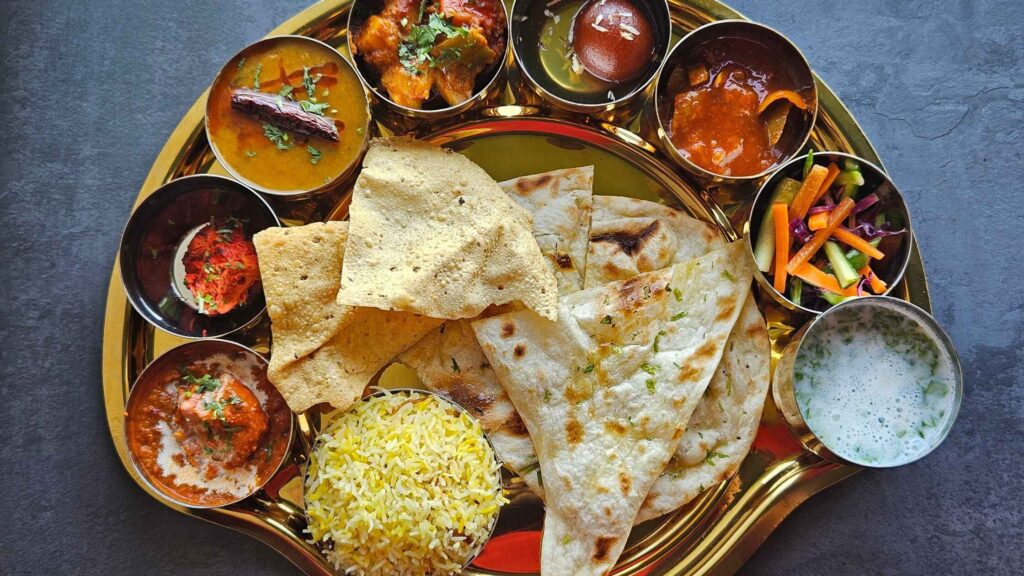
In today’s fast-paced world, food has become more about convenience than connection. We often chase trendy diets, calorie counts, and protein goals—forgetting that food, at its heart, is meant to nourish not only the body but also the soul. “Soulful eating” is a gentle reminder to return to our roots, to the wisdom that lies within our traditional Indian meals—those that our grandmothers lovingly prepared, using seasonal, homegrown ingredients infused with care and intuition.
The Soul Behind the Indian Thali
Every Indian thali is a masterpiece of balance—flavors, nutrients, and emotions in perfect harmony. From the earthy aroma of dal to the cooling comfort of curd rice, each element has a purpose beyond taste. Our traditional meals are deeply rooted in Ayurveda, which believes food is medicine. The six rasas (tastes)—sweet, sour, salty, bitter, pungent, and astringent—are not just culinary experiences but keys to physical and emotional balance.
When we eat a simple Indian meal of dal, rice, roti, sabzi, and achar, we’re consuming centuries of collective wisdom. The lentils nourish us with protein, rice provides grounding energy, ghee soothes digestion, and pickles stimulate appetite. Every meal is a rhythmic blend of nourishment, digestion, and healing—something that no modern fad diet can replicate.
Cultural Foods and Emotional Healing
Food has always been more than nutrition—it’s emotion. Think of the comfort you feel when you eat khichdi on a sick day, or the joy of relishing hot pakoras during monsoon. These aren’t coincidences. Our bodies and minds are deeply connected to memory and emotion through food. Eating a dish passed down through generations can trigger feelings of love, belonging, and safety.
When we move away from our traditional foods and rely only on “modern healthy” substitutes like protein bars or packaged smoothies, we might meet our calorie goals, but we often lose that emotional connection. Soulful eating brings us back to mindfulness—it asks us to pause, feel gratitude, and savor every bite. It’s about recognizing food as a sacred experience, not a rushed necessity.
Healing Through Ingredients
Indian kitchens are treasure troves of healing. Each spice, grain, and ingredient carries a therapeutic property that supports holistic wellness.
-
Turmeric: The golden spice that heals inflammation, boosts immunity, and radiates warmth from within. Adding raw turmeric to milk or cooking with it daily strengthens the body’s natural defense system.
-
Cumin and Ajwain: These humble seeds are digestive miracles. Whether it’s jeera water in the morning or ajwain in parathas, they keep the gut balanced and light.
-
Ginger and Tulsi: Especially in winters, these herbs protect against colds, sinus, and respiratory discomfort. They’re not just flavor enhancers but powerful immunity boosters.
-
Millets: Ancient grains like ragi, bajra, and jowar are returning to the spotlight. Rich in fiber, calcium, and iron, millets improve gut health, balance energy, and keep blood sugar steady.
These ingredients are part of a living tradition that understands the body’s seasonal needs. In summer, we eat cooling foods like curd, buttermilk, and watermelon; in winter, we crave warming dishes with ghee, bajra, and spices. It’s a natural rhythm—when we eat in alignment with the seasons, we help our bodies heal and thrive.
Mindful Eating – The Heart of Soulful Living
Soulful eating is not just about what you eat—it’s also about how you eat. Traditional Indian culture teaches us to eat slowly, sit on the floor, use our hands, and thank the food before consuming it. These small rituals calm the nervous system, activate digestion, and foster gratitude.
When we eat mindfully—chewing slowly, savoring the aroma, and respecting portion sizes—we connect deeply with our food. This mindful act turns a simple meal into meditation. The focus shifts from counting macros to counting blessings.
Food as Connection and Culture
Every regional cuisine in India tells a story. From the coconut-rich dishes of Kerala to the earthy millet meals of Rajasthan, every recipe carries cultural memory. Sharing food connects families, communities, and generations. Festivals, too, revolve around food—Pongal, Diwali, Eid, Baisakhi—all remind us that celebration is incomplete without the flavors of home.
Reconnecting with traditional foods also means respecting local farmers, seasonal produce, and sustainability. Eating local is not just eco-friendly—it aligns us with the land and the cycles of nature.
The Modern Way to Practice Soulful Eating
Incorporating soulful eating in your modern lifestyle doesn’t mean giving up convenience—it means creating conscious choices.
- Start your day with warm water or herbal tea instead of cold beverages.
- Include one traditional dish daily—like dal khichdi, millet roti, ladoos, seasonal fruits or sabudana kheer.
- Use spices and herbs mindfully.
- Include sides like pickles, chutneys, salad and podis into your everyday main meals.
- Avoid drinking excessive water while having meals but stay hydrated throughout the day.
- Eat with gratitude and without distractions like phones or TV.
- Listen to your body’s cues—eat when hungry, stop when satisfied.
Conclusion
Soulful eating is about returning to authenticity—to food that’s rooted in culture, love, and balance. Our ancestors didn’t need calorie counters or diet apps; they lived intuitively, trusting nature’s rhythm and their bodies’ wisdom.
When we eat our traditional Indian meals with mindfulness and gratitude, we don’t just feed our bodies—we nourish our souls. Food becomes more than sustenance; it becomes a celebration of culture, healing, and self-care.


Pretty nice post. I just stumbled upon your blog and wanted to say that I have really enjoyed surfing around your blog posts. After all I’ll be subscribing to your feed and I hope you write again soon!
F*ckin’ remarkable things here. I am very glad to see your article. Thanks a lot and i’m looking forward to contact you. Will you kindly drop me a mail?